ในโลกปัจจุบันหน้าจอแสดงผล LCD และจอแสดงผล LED เป็นสองประเภทที่พบมากที่สุดของเทคโนโลยีภาพที่ใช้ในอุปกรณ์อิเล็กทรอนิกส์และโซลูชั่นทางธุรกิจจากกระดานไวท์บอร์ดแบบโต้ตอบไปจนถึงป้ายดิจิตอลผนังวิดีโอ LCD ทีวีสแตนด์บายและว่าวหน้าจอแสดงผล LCD ยังคงเป็นตัวเลือกที่ต้องการสำหรับสภาพแวดล้อมในร่มให้ภาพที่ชัดเจนการทำสำเนาสีที่แม่นยำและประสิทธิภาพที่ประหยัดพลังงาน
ในขณะที่จอแสดงผล LED มักใช้สำหรับการโฆษณากลางแจ้งหรือสถานที่ที่มีความสว่างสูงหน้าจอแสดงผล LCD มีความน่าเชื่อถือที่เหนือกว่าความสามารถในการจ่ายและความเก่งกาจสำหรับการใช้งานระดับมืออาชีพมากที่สุด
ที่ qtenboard เรามีความเชี่ยวชาญในหน้าจอแสดงผล LCD และโซลูชั่นแบบโต้ตอบที่สนับสนุนความต้องการทางธุรกิจของคุณ24/7ไม่ว่าคุณจะใช้ป้ายดิจิตอลสำหรับการขายปลีกการปรับใช้ห้องเรียนแบบโต้ตอบหรือการตั้งค่าผนังวิดีโอผลิตภัณฑ์ของเราได้รับการออกแบบมาเพื่อส่งมอบภาพที่สม่ำเสมอและมีคุณภาพสูงที่ดึงดูดผู้ชมได้อย่างมีประสิทธิภาพ
บทความนี้จะให้การเปรียบเทียบในเชิงลึกของหน้าจอแสดงผล LCD VS จอแสดงผล LED เน้นความแตกต่างที่สำคัญสถานการณ์การใช้งานและการพิจารณาก่อนที่จะซื้อในที่สุดคุณจะเข้าใจว่าเทคโนโลยีใดที่เหมาะกับธุรกิจของคุณมากที่สุดและทำไม qtenboard จึงเป็นพันธมิตรที่เหมาะสมสำหรับโซลูชันการแสดงผลของคุณ
หน้าจอแสดงผล LCD (จอแสดงผลคริสตัลเหลว) และจอแสดงผล LED เป็นเทคโนโลยีการแสดงผลแต่แตกต่างกันโดยพื้นฐานในการสร้างภาพหน้าจอแสดงผล LCD ใช้โมเลกุลคริสตัลเหลวเพื่อควบคุมทางเดินของแสงจากแหล่งกำเนิดแสงพื้นหลังโดยการปรับตำแหน่งของโมเลกุลเหล่านี้ด้วยแรงดันไฟฟ้า LCD สร้างภาพด้วยสีที่ถูกต้องและรายละเอียดที่คมชัดหน้าจอเหล่านี้มักใช้ในกระดานไวท์บอร์ดแบบโต้ตอบป้ายดิจิตอลว่าวผนังวิดีโอและการแสดงเชิงพาณิชย์ในร่ม
จอแสดงผล LED ทำจากไดโอดเปล่งแสงส่วนบุคคลแต่ละตัวสามารถผลิตแสงและสีของตัวเองได้เทคโนโลยี Self-emissive นี้ช่วยให้จอแสดงผล LED สามารถให้ความสว่างสูงมากและความคมชัดที่แข็งแกร่งทำให้เหมาะสำหรับป้ายกลางแจ้งสนามกีฬาหรือจอแสดงผลสาธารณะขนาดใหญ่อย่างไรก็ตามจอแสดงผล LED โดยทั่วไปมีราคาแพงกว่าและน้อยกว่าเหมาะสำหรับการใช้งานในร่มที่มีมุมมองใกล้เคียงเมื่อเทียบกับหน้าจอแสดงผล LCD
เป็นที่น่าสังเกตว่า "ทีวี LED" จำนวนมากเป็นหน้าจอแสดงผล LCD ที่มีหน้าจอ LED backlights. ในทางเทคนิคพวกเขายังคงเป็นผลิตภัณฑ์ LCD ได้รับประโยชน์จากประสิทธิภาพการใช้พลังงานและประสิทธิภาพสีของแบ็คไลท์ LED ที่ทันสมัย
ความแตกต่างหลักระหว่างหน้าจอแสดงผล LCD และจอแสดงผล LED อยู่ในวิธีการนำเสนอภาพหน้าจอแสดงผล LCD พึ่งพาแสงไฟที่ผ่านคริสตัลเหลวเพื่อผลิตภาพการจัดเรียงคริสตัลเหล่านี้ควบคุมความเข้มและสีของแสงที่มาถึงผู้ชมสร้างภาพที่ถูกต้องสำหรับข้อความภาพถ่ายและวิดีโอ
อย่างไรก็ตามจอแสดงผล LED ใช้ไฟ LED ขนาดเล็กจำนวนมากที่เปล่งแสงได้อย่างอิสระ LED แต่ละดวงจะปรับความสว่างและสีเพื่อสร้างภาพบนหน้าจอโดยตรงในขณะที่นี้ช่วยให้จอแสดงผล LED เพื่อให้บรรลุระดับความสว่างที่สูงขึ้นและสีสดใสหน้าจอแสดงผล LCD มีการทำสำเนาสีที่สอดคล้องกันมากขึ้นและความมั่นคงของภาพโดยเฉพาะอย่างยิ่งสำหรับการดูในร่ม
เนื่องจากหน้าจอแสดงผล LCD ขึ้นอยู่กับแบ็คไลท์พวกเขาอาจแสดงข้อจำกัดเล็กน้อยในความลึกของสีและโทนสีเข้มเมื่อเทียบกับจอแสดงผล led. ภาพสีเข้มบนจอแอลซีดีอาจปรากฏสีเทาเล็กน้อยในขณะที่ไฟ LED มีพิกเซลที่มองเห็นได้ด้วยตัวเองสามารถสร้างสีดำที่ลึกกว่าและมีรายละเอียดสีที่สดใสมากขึ้น
อย่างไรก็ตามหน้าจอแสดงผล LCD คุณภาพสูงเช่นแผง IPS ที่นำเสนอโดย qtenboard ให้ความแม่นยำของสีที่ยอดเยี่ยมและมุมมองที่กว้างหน้าจอเหล่านี้เหมาะอย่างยิ่งสำหรับกระดานไวท์บอร์ดแบบโต้ตอบป้ายดิจิตอลว่าวและผนังวิดีโอในร่มที่การเรนเดอร์สีที่แม่นยำเป็นสิ่งสำคัญ
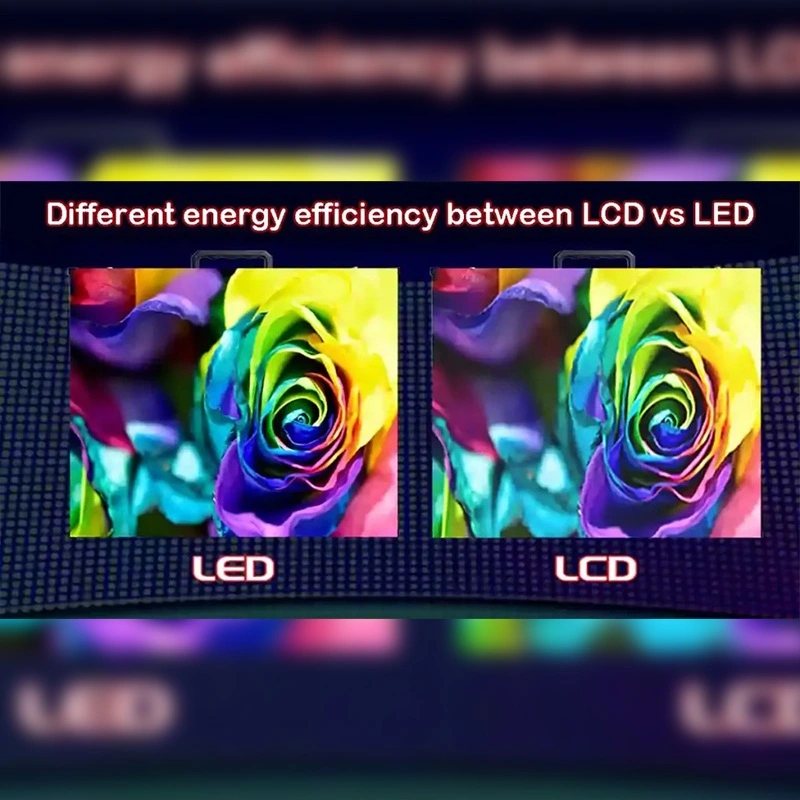
ประสิทธิภาพการใช้พลังงานคือการพิจารณาที่สำคัญโดยเฉพาะอย่างยิ่งสำหรับป้ายดิจิตอลที่ใช้24/7หน้าจอแสดงผล LCD ใช้พลังงานเป็นหลักผ่านแสงไฟและ LCD LED-backlit ที่ทันสมัยใช้เทคโนโลยีลดแสงขั้นสูงเพื่อลดการใช้พลังงานแม้ในระหว่างการใช้งานที่ยาวนานจอแสดงผลเหล่านี้จะรักษาประสิทธิภาพที่มั่นคงในขณะที่ลดต้นทุนด้านพลังงาน
จอแสดงผล LED สามารถปิดพิกเซลแต่ละพิกเซลเมื่อแสดงเนื้อหาที่มืดทำให้ประหยัดพลังงานในบางสถานการณ์กลางแจ้งอย่างไรก็ตามการตั้งค่า LED ความสว่างสูงมักใช้พลังงานมากกว่าหน้าจอแสดงผล LCD โดยเฉพาะอย่างยิ่งในสภาพแวดล้อมในร่ม
ค่าใช้จ่ายเป็นอีกปัจจัยสำคัญหน้าจอแสดงผล LCD มีราคาไม่แพงมากขึ้นเนื่องจากกระบวนการผลิตที่เป็นผู้ใหญ่และการยอมรับอย่างกว้างขวางปรับขนาดได้เหมาะสำหรับการผลิตจำนวนมากและให้คุณค่าที่ยอดเยี่ยมสำหรับการใช้งานเชิงพาณิชย์ในร่ม
จอแสดงผล LED โดยเฉพาะอย่างยิ่งรุ่น Fine-PITCH มีราคาแพงกว่าในการผลิตและติดตั้งค่าใช้จ่ายในการบำรุงรักษาและการสอบเทียบยังสูงขึ้นสำหรับธุรกิจส่วนใหญ่ที่กำลังมองหาโซลูชันการแสดงผลในร่มที่เชื่อถือได้หน้าจอแสดงผล LCD เป็นตัวเลือกที่คุ้มค่าที่สุด
หน้าจอแสดงผล LCD เหมาะสำหรับการใช้งานในร่มที่หลากหลายรวมถึง:
LED แสดง Excel ในสภาพแวดล้อมกลางแจ้งหรือสถานที่ขนาดใหญ่ที่ต้องการความสว่างและความคมชัดสูงอย่างไรก็ตามสำหรับการใช้งานทางธุรกิจในร่มหน้าจอแสดงผล LCD นำเสนอการผสมผสานที่ดีที่สุดของคุณภาพต้นทุนประสิทธิภาพและประสิทธิภาพการมองเห็น
เมื่อเลือกระหว่างหน้าจอแสดงผล LCD และจอแสดงผล LED คุณต้องพิจารณาเป้าหมายทางธุรกิจและสภาพแวดล้อมการใช้งานของคุณสำหรับป้ายดิจิตอลในร่มการนำเสนอแบบโต้ตอบหรือการแสดงผลที่หันหน้าไปทางลูกค้าหน้าจอแสดงผล LCD ให้คุณภาพของภาพที่สอดคล้องกันประสิทธิภาพการใช้พลังงานและความสามารถในการจ่ายได้
Qtenboard ให้บริการโซลูชั่นที่กำหนดเองสำหรับความต้องการทางธุรกิจต่างๆสำหรับเอฟเฟ็กต์ภาพระดับไฮเอนด์หรือการใช้งานกลางแจ้งเรายังสนับสนุนจอแสดงผล led. โดยไม่คำนึงถึงความต้องการของโครงการของคุณทีมงานของเราสามารถใช้ได้24/7เพื่อช่วยให้คุณเลือกโซลูชันหน้าจอที่เหมาะสมที่สุด
ก่อนซื้อประเมินปัจจัยต่อไปนี้:
เมื่อพิจารณาจากปัจจัยเหล่านี้จะช่วยให้คุณสามารถเลือกได้อย่างถูกต้องระหว่างหน้าจอแสดงผล LCD และจอแสดงผล LED และตรวจสอบให้แน่ใจว่าป้ายดิจิตอลหรือจอแสดงผลแบบโต้ตอบของคุณทำงานได้อย่างมีประสิทธิภาพ
Qtenboard เป็นผู้ผลิตหน้าจอแสดงผล LCD ชั้นนำและโซลูชันที่เกี่ยวข้องผลิตภัณฑ์ของเราประกอบด้วย:
ไม่ว่าคุณจะต้องการป้ายในร่มจอแสดงผลแบบโต้ตอบหรือโซลูชัน videowall qtenboard ช่วยให้หน้าจอแสดงผล LCD ของคุณมีผลกระทบต่อภาพที่ดีที่สุดสำหรับผู้ชมของคุณและเพิ่มประสิทธิภาพในการส่งข้อความของคุณ
หน้าจอแสดงผล LCD VS จอแสดงผล LED ทั้งสองมีข้อดีแต่สำหรับการใช้งานทางธุรกิจในร่มหน้าจอแสดงผล LCD ให้ประสิทธิภาพด้านต้นทุนที่เหนือกว่าความเสถียรของภาพและความแม่นยำของสีโดยพิจารณาความต้องการเฉพาะของคุณ-เช่นสภาพแวดล้อมการแสดงผลระยะการรับชมและประเภทเนื้อหา-คุณสามารถตัดสินใจทราบว่าป้ายดิจิตอลหรือจอแสดงผลแบบโต้ตอบของคุณทำงานได้ดีที่สุด
Qtenboard มอบโซลูชันหน้าจอแสดงผล LCD ที่ครอบคลุมสนับสนุนโดยคำแนะนำระดับมืออาชีพและการสนับสนุน24/7ไม่ว่าโครงการของคุณจะเกี่ยวข้องกับกระดานไวท์บอร์ดแบบโต้ตอบป้ายดิจิตอลผนังวิดีโอทีวีสแตนด์บายหรือว่าวบอร์ด qtenboard จะให้การแสดงผลคุณภาพสูงและเชื่อถือได้ที่เหมาะกับความต้องการทางธุรกิจของคุณ
ด้วยการเปรียบเทียบรายละเอียดนี้คุณสามารถเลือกหน้าจอแสดงผล LCD สำหรับโครงการของคุณได้อย่างมั่นใจในการมีส่วนร่วมภาพและประสบการณ์การแสดงผลระดับมืออาชีพ
คลิกเพื่ออ่านรายละเอียดผลิตภัณฑ์และเรียนรู้เกี่ยวกับคุณสมบัติการทำงานและประสิทธิภาพที่แท้จริง
📖อ่านผลิตภัณฑ์
 TH
TH
 EN
EN  MAY
MAY  CHT
CHT  ID
ID  BUR
BUR  FIL
FIL  HKM
HKM  LAO
LAO  SIN
SIN  VIE
VIE