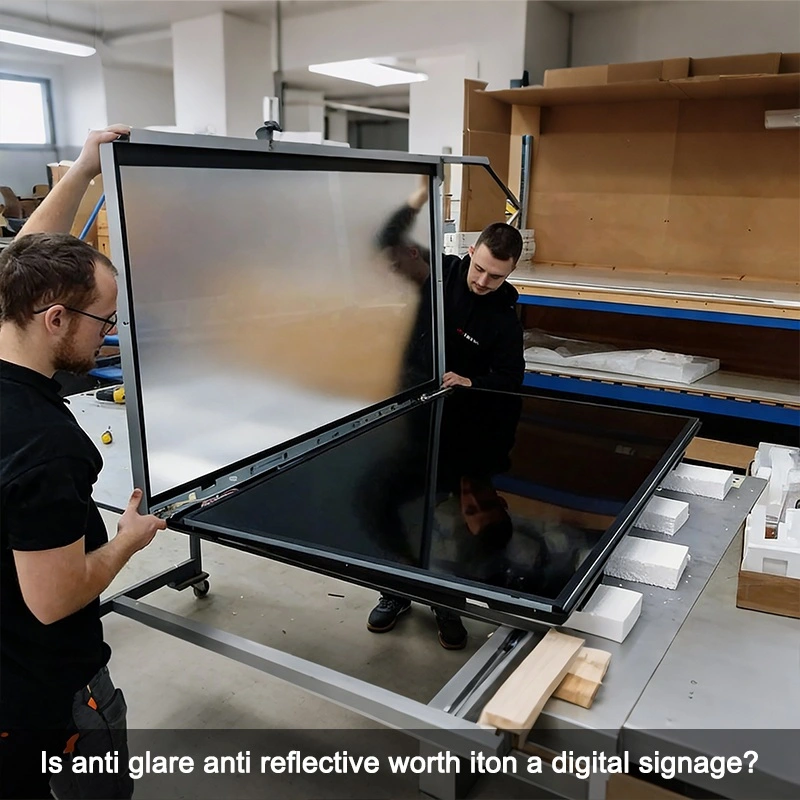
กระดานไวท์บอร์ดแบบโต้ตอบได้เปลี่ยนห้องเรียนที่ทันสมัยห้องประชุมขององค์กรโรงพยาบาลและพื้นที่ค้าปลีกซึ่งแตกต่างจากกระดานไวท์บอร์ดแบบดั้งเดิมอุปกรณ์เหล่านี้ช่วยให้มีปฏิสัมพันธ์แบบไดนามิกการทำงานร่วมกันแบบเรียลไทม์การนำเสนอมัลติมีเดียและการแสดงข้อมูลที่ซับซ้อนพวกเขาจำเป็นสำหรับนักการศึกษาผู้ฝึกสอนและผู้เชี่ยวชาญทางธุรกิจที่ต้องการปรับปรุงการมีส่วนร่วมและการสื่อสาร
อย่างไรก็ตามหนึ่งในความท้าทายที่พบบ่อยที่สุดที่ผู้ใช้ต้องเผชิญคือการมองเห็นหน้าจอภายใต้สภาพแสงต่างๆไม่ว่าจะเป็นการสตรีมแสงแดดผ่านหน้าต่างห้องเรียนแสงเหนือศีรษะสำนักงานที่สว่างสดใสหรือการสะท้อนจากพื้นผิวกระจกใกล้เคียงแสงจ้าและการสะท้อนสามารถส่งผลกระทบต่อการอ่านเนื้อหาได้อย่างมีนัยสำคัญ
ลองนึกภาพครูที่ทำบทเรียนพร้อมไวท์บอร์ดแบบโต้ตอบที่สดใสในห้องเรียนที่มีแสงแดดส่องถึงหรือผู้ฝึกสอนขององค์กรที่นำเสนอแผนภูมิโดยละเอียดในระหว่างการประชุมในเวลากลางวันหากไม่มีการจัดการแสงสะท้อนที่เหมาะสมนักเรียนหรือความสนใจอาจปวดตาหรือพลาดข้อมูลสำคัญในทำนองเดียวกันในการตั้งค่าการดูแลสุขภาพหรือศูนย์ฝึกอบรมการมองเห็นที่ไม่ดีสามารถขัดขวางการอ่านข้อมูลที่ถูกต้องส่งผลกระทบต่อการตัดสินใจหรือประสิทธิภาพเวิร์กโฟลว์
นี่คือที่ที่เทคโนโลยีป้องกันแสงสะท้อนและป้องกันแสงสะท้อนเข้ามาโดยการลดการสะท้อนและการกระเจิงแสงที่เป็นอันตรายเทคโนโลยีเหล่านี้ให้แน่ใจว่าเนื้อหาบนไวท์บอร์ดแบบโต้ตอบของคุณยังคงชัดเจนและชัดเจนกระดานไวท์บอร์ดแบบโต้ตอบของ qtenboard มีพื้นผิวป้องกันแสงสะท้อนและป้องกันแสงสะท้อนที่เป็นอุปกรณ์เสริมให้ทัศนวิสัยที่เหนือกว่าแม้ในสภาพแสงที่ท้าทาย
เทคโนโลยีป้องกันแสงสะท้อนและป้องกันแสงสะท้อนเป็นสองวิธีที่ออกแบบมาเพื่อปรับปรุงการมองเห็นหน้าจอมักกล่าวถึงร่วมกันเพราะพวกเขาเสริมซึ่งกันและกัน
เทคโนโลยีป้องกันแสงสะท้อนเกี่ยวข้องกับการใช้พื้นผิวขนาดเล็กกับพื้นผิวหน้าจอพื้นผิวจอแสดงผลเรียบสะท้อนแสงโดยตรงซึ่งอาจทำให้เกิดจุดสว่างแสงกระจายหรือแม้แต่การสะท้อนเหมือนกระจกทำให้การอ่านเนื้อหาบนหน้าจอเป็นเรื่องยาก
โดยการสร้างพื้นผิวที่หยาบเล็กน้อยการกระเจิงพื้นผิวขนาดเล็กที่เข้ามาอย่างสม่ำเสมอลดแสงจ้าและปรับปรุงการอ่านวิธีการนี้ช่วยให้มั่นใจได้ว่าแม้ในสภาพแวดล้อมที่มีแสงทิศทางที่แข็งแกร่งเนื้อหายังคงมองเห็นได้
เทคโนโลยี anti-reflective (AR) ทำงานแตกต่างกันใช้หลักการรบกวนทางแสงเพื่อยกเลิกแสงสะท้อนชั้นโลหะออกไซด์บางๆถูกนำไปใช้กับพื้นผิวหน้าจอทำให้คลื่นแสงขาเข้าและสะท้อนแสงรบกวนการทำลายซึ่งจะช่วยลดความเข้มของการสะท้อนและช่วยเพิ่มการส่งผ่านแสงจากจอแสดงผลได้พร้อมกัน
ผลที่ได้คือหน้าจอที่ไม่เพียงแต่ต่อต้านแสงจ้าแต่ยังปรากฏสว่างและชัดเจนโดยไม่ต้องเพิ่มการตั้งค่าความสว่างสำหรับกระดานไวท์บอร์ดแบบโต้ตอบเทคโนโลยีนี้มีความสำคัญอย่างยิ่งในห้องเรียนห้องประชุมและพื้นที่แสดงผลสาธารณะซึ่งสภาพแสงสามารถปรับเปลี่ยนได้สูง
ด้วยการผสมผสานเทคโนโลยีป้องกันแสงสะท้อนและป้องกันแสงสะท้อนกระดานไวท์บอร์ดแบบโต้ตอบของ qtenboard มอบโซลูชันที่กล่าวถึงทั้งการกระเจิงของแสงแบบกระจายและการสะท้อนโดยตรงทำให้มั่นใจได้ถึงทัศนวิสัยที่ดีที่สุดสำหรับผู้ใช้ทุกคน
ในขณะที่ป้องกันแสงสะท้อนและป้องกันแสงสะท้อนมักถูกกล่าวถึงร่วมกันพวกเขาจะไม่เหมือนกัน:
ทั้งสองสามารถใช้แยกกันหรือรวมกันขึ้นอยู่กับสภาพแวดล้อมการใช้งานตัวอย่างเช่นหากมีการติดตั้งไวท์บอร์ดแบบโต้ตอบในห้องเรียนที่มีแสงสว่างปานกลางการป้องกันแสงสะท้อนเพียงอย่างเดียวอาจเพียงพอแต่สำหรับพื้นที่ที่มีทั้งแสงแดดและแสงในร่มการรวมเทคโนโลยีป้องกันแสงสะท้อนและป้องกันแสงสะท้อนช่วยให้มั่นใจได้ถึงความชัดเจนสูงสุดและความสะดวกสบายของผู้ใช้
กระดานไวท์บอร์ดแบบโต้ตอบของ qtenboard ช่วยให้ลูกค้าสามารถเลือกการกำหนดค่าที่เหมาะสมกับสถานการณ์การใช้งานได้ดีที่สุดไม่ว่าคุณจะต้องการป้องกันแสงสะท้อนเท่านั้นป้องกันแสงสะท้อนหรือทั้งสองอย่าง qtenboard ให้โซลูชั่นที่ยืดหยุ่น
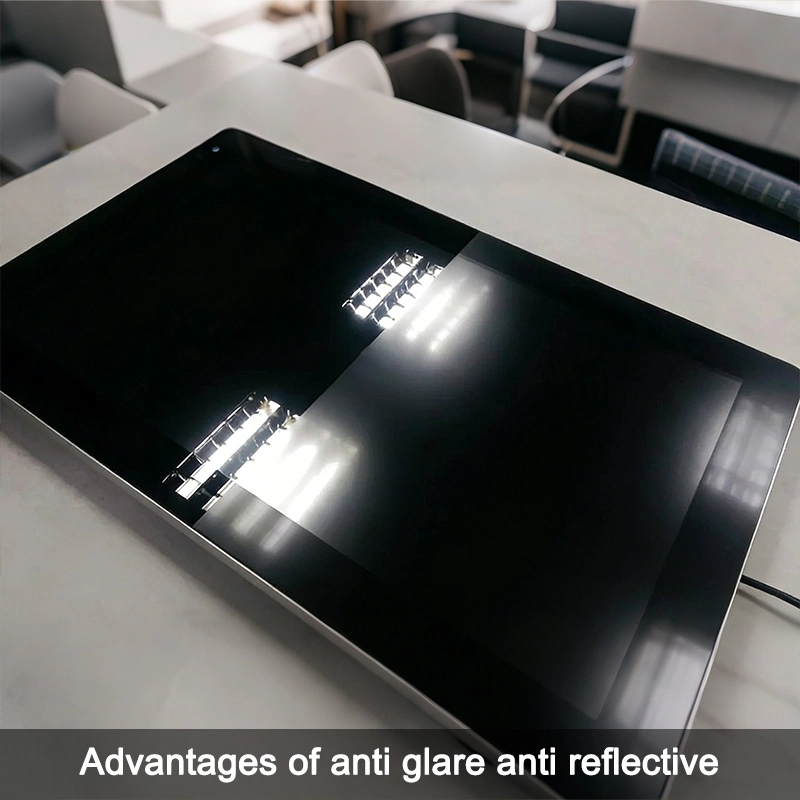
พื้นผิวป้องกันแสงสะท้อนและป้องกันแสงสะท้อนทำให้เนื้อหาสามารถอ่านได้มากขึ้นภายใต้แสงไฟจ้าแสงแดดหรือสภาพแสงที่ซับซ้อนสิ่งนี้ช่วยเพิ่มประสิทธิภาพการมีส่วนร่วมและการเรียนรู้โดยตรงนักเรียนสามารถดูบทเรียนได้อย่างชัดเจนพนักงานสามารถอ่านงานนำเสนอโดยไม่ต้องนั่งยองและผู้เชี่ยวชาญด้านการดูแลสุขภาพสามารถตรวจสอบข้อมูลได้อย่างถูกต้อง
กระดานไวท์บอร์ดแบบโต้ตอบมักติดตั้งในพื้นที่ที่มีสภาพแวดล้อมแสงที่แตกต่างกันการรักษาป้องกันแสงสะท้อนและป้องกันแสงสะท้อนช่วยลดผลกระทบของเงื่อนไขเหล่านี้ช่วยให้จอแสดงผลทำงานได้อย่างเหมาะสมแม้แต่กระดานไวท์บอร์ดแบบโต้ตอบที่ไม่ได้ออกแบบมาโดยเฉพาะสำหรับการใช้งานกลางแจ้งก็ยังคงมีประสิทธิภาพในสภาพแวดล้อมที่สว่างสดใสเมื่อใช้งานด้วยเทคโนโลยีเหล่านี้
การรักษาพื้นผิวเฉพาะที่ใช้สำหรับหน้าจอป้องกันแสงสะท้อนและป้องกันแสงสะท้อนยังช่วยเพิ่มความทนทานหน้าจอป้องกันรอยขีดข่วนรอยเปื้อนและลายนิ้วมือซึ่งมีประโยชน์อย่างยิ่งในห้องเรียนพื้นที่สาธารณะและห้องประชุมที่มีการจราจรหนาแน่น
การมองเห็นที่ดีขึ้นช่วยให้สามารถตั้งค่าความสว่างหน้าจอได้ลดลงซึ่งช่วยลดการใช้พลังงานและการสร้างความร้อนในขณะที่ยืดอายุการใช้งานของไวท์บอร์ดแบบโต้ตอบกระดานไวท์บอร์ดแบบโต้ตอบของ qtenboard พร้อมตัวเลือกป้องกันแสงสะท้อนและป้องกันแสงสะท้อนช่วยให้ประหยัดพลังงานในระยะยาวโดยไม่กระทบต่อการอ่าน
สำหรับผู้ใช้ที่มีปฏิสัมพันธ์กับหน้าจอเป็นระยะเวลานานพื้นผิวป้องกันแสงสะท้อนและป้องกันแสงสะท้อนช่วยลดความเมื่อยล้าของภาพโดยลดแสงที่ก่อกวนเมื่อรวมกับระยะการรับชมที่เหมาะสมและการแตกหักเทคโนโลยีนี้จะส่งเสริมการใช้หน้าจอที่มีสุขภาพดี
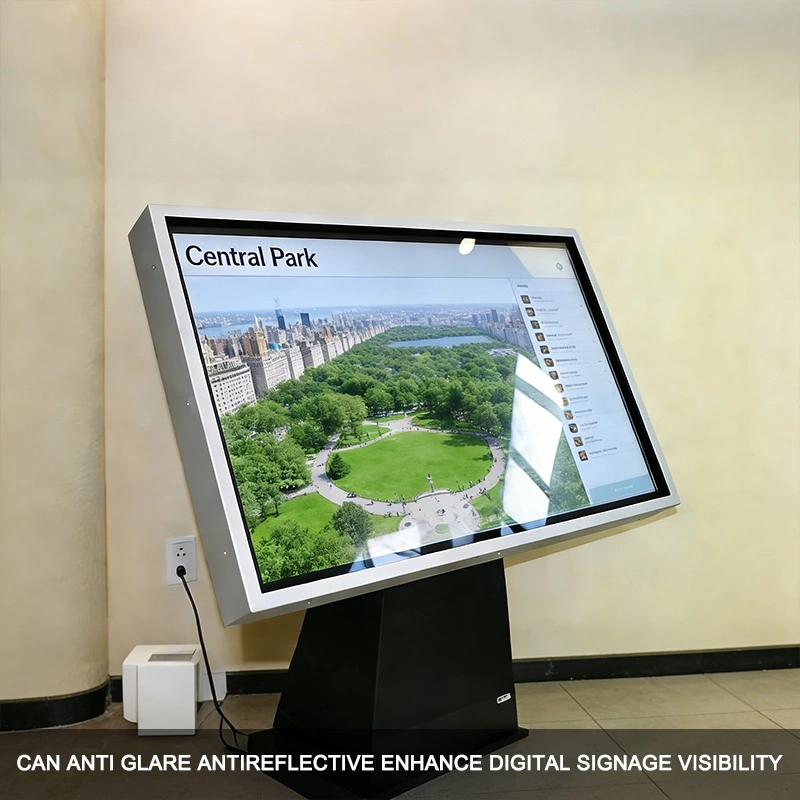
การลงทุนในไวท์บอร์ดแบบโต้ตอบที่มีเทคโนโลยีป้องกันแสงสะท้อนและป้องกันแสงสะท้อนขอแนะนำสำหรับ:
ในขณะที่การเพิ่มความสว่างสามารถช่วยให้มองเห็นได้ค่าใช้จ่ายในการใช้พลังงานความร้อนและลดอายุการใช้งานของหน้าจอพื้นผิวป้องกันแสงสะท้อนและป้องกันแสงสะท้อนนำเสนอโซลูชันระยะยาวที่ช่วยเพิ่มความสามารถในการอ่านได้โดยไม่มีข้อเสียเหล่านี้
อย่างไรก็ตามสำหรับงานที่ต้องการการออกแบบที่มีความแม่นยำสูงเหมือนสีภาพเคลื่อนไหวหรือการถ่ายภาพ-หน้าจอเรียบมาตรฐานอาจดีกว่าการรักษาความถูกต้องของสี Qtenboard มีตัวเลือกทั้งสองอย่างทำให้มั่นใจได้ว่าคุณสามารถเลือกจอแสดงผลที่ปรับสมดุลความชัดเจนและความเที่ยงตรงของสีตามความต้องการของโครงการของคุณ
ใช่แล้วค่ะโดยการลดแสงจ้าและการสะท้อนหน้าจอเหล่านี้ช่วยลดความเครียดภาพและความเมื่อยล้านี่เป็นสิ่งสำคัญในการตั้งค่าการศึกษาและเป็นมืออาชีพที่ผู้ใช้สามารถโต้ตอบกับบอร์ดได้เป็นเวลานาน
ประเด็นสำคัญสำหรับการใช้งานที่เป็นมิตรกับดวงตา:
กระดานไวท์บอร์ดแบบโต้ตอบของ qtenboard รองรับหลักการเหล่านี้ผ่านพื้นผิวป้องกันแสงสะท้อนที่เป็นตัวเลือกทำให้ผู้ใช้สามารถรักษานิสัยการรับชมที่ดีต่อสุขภาพได้ง่ายขึ้น
กระดานไวท์บอร์ดแบบโต้ตอบของ qtenboard มีตัวเลือกที่ปรับแต่งได้เพื่อให้เหมาะกับความต้องการของคุณ:
ด้วยการเลือกกระดานไวท์บอร์ดแบบโต้ตอบของ qtenboard คุณไม่เพียงแต่จะได้รับจอแสดงผลแบบโต้ตอบคุณภาพสูงเท่านั้นแต่ยังเป็นอุปกรณ์ที่เหมาะสำหรับความท้าทายในการมองเห็นในโลกแห่งความเป็นจริงอีกด้วย
ในห้องเรียนนักเรียนมักจะนั่งที่มุมที่แตกต่างกันเมื่อเทียบกับคณะกรรมการพื้นผิวป้องกันแสงสะท้อนและป้องกันแสงสะท้อนช่วยให้นักเรียนทุกคนมองเห็นบทเรียนได้ชัดเจนไม่ว่าห้องจะโดนแสงแดดหรือแสงเทียมครูสามารถส่งมอบเนื้อหามัลติมีเดียการนำเสนอหรือการออกกำลังกายร่วมกันโดยไม่ต้องกังวลเกี่ยวกับปัญหาการมองเห็น
ในสำนักงานและห้องฝึกอบรมสภาพแสงแตกต่างกันไปอย่างกว้างขวางกระดานไวท์บอร์ดแบบโต้ตอบป้องกันแสงสะท้อนช่วยให้ผู้เข้าร่วมอ่านแผนภูมิกราฟและเอกสารได้อย่างชัดเจนปรับปรุงประสิทธิภาพการประชุมบอร์ด qtenboard ให้ความคมชัดสม่ำเสมอในหลายสภาพแวดล้อมทำให้มั่นใจได้ถึงคุณภาพการนำเสนอระดับมืออาชีพ
โรงพยาบาลห้องสมุดและสถานที่สาธารณะมักต้องมีการแสดงผลแบบโต้ตอบสำหรับคำแนะนำการสร้างภาพข้อมูลหรือประกาศพื้นผิวป้องกันแสงสะท้อนและป้องกันแสงสะท้อนช่วยเพิ่มการเข้าถึงข้อมูลแม้ในพื้นที่ที่มีแสงจ้าหรือพื้นผิวสะท้อนแสง
สำหรับกระดานไวท์บอร์ดแบบโต้ตอบที่ติดตั้งในพื้นที่ที่มีแสงธรรมชาติเช่นห้องโถงล็อบบี้หรือห้องปฏิบัติการเพื่อการศึกษาที่มีหน้าต่างขนาดใหญ่พื้นผิวป้องกันแสงสะท้อนป้องกันไม่ให้เนื้อหาถูกแสงแดดล้างออก Qtenboard มอบโซลูชันที่คงความสามารถในการอ่านได้โดยไม่ต้องเพิ่มความสว่างของหน้าจอปกป้องทั้งอุปกรณ์และการใช้พลังงาน
กระดานไวท์บอร์ดแบบโต้ตอบเป็นเครื่องมือที่จำเป็นในหลายอุตสาหกรรมแต่ความท้าทายในการมองเห็นที่เกิดจากแสงจ้าและการสะท้อนสามารถจำกัดประสิทธิภาพของพวกเขาเพียงแค่เพิ่มความสว่างไม่เพียงพอที่จะแก้ปัญหาเหล่านี้
เทคโนโลยีป้องกันแสงสะท้อนและป้องกันแสงสะท้อนให้โซลูชันที่ใช้งานได้จริงมีประสิทธิภาพและระยะยาวพวกเขาปรับปรุงการอ่านลดความเครียดตาเพิ่มความทนทานและประหยัดพลังงาน
กระดานไวท์บอร์ดแบบโต้ตอบของ qtenboard มีพื้นผิวป้องกันแสงสะท้อนและป้องกันแสงสะท้อนที่เป็นตัวเลือกทำให้มั่นใจได้ว่าเนื้อหาของคุณยังคงชัดเจนและมีส่วนร่วมในสภาพแสงใดๆไม่ว่าจะในห้องเรียนสำนักงานโรงพยาบาลหรือพื้นที่สาธารณะ qtenboard ให้โซลูชันไวท์บอร์ดแบบโต้ตอบที่ปรับแต่งได้เพื่อตอบสนองความต้องการของคุณ
การลงทุนใน Anกระดานไวท์บอร์ดแบบโต้ตอบป้องกันแสงสะท้อนจาก qtenboard เป็นตัวเลือกที่ชาญฉลาดสำหรับความชัดเจนความสะดวกสบายของผู้ใช้และประสิทธิภาพในระยะยาวติดต่อ qtenboard วันนี้เพื่อเรียนรู้วิธีที่เราสามารถปรับไวท์บอร์ดแบบโต้ตอบของคุณเพื่อประสบการณ์การรับชมที่ดีที่สุด
คลิกเพื่ออ่านรายละเอียดผลิตภัณฑ์และเรียนรู้เกี่ยวกับคุณสมบัติการทำงานและประสิทธิภาพที่แท้จริง
📖อ่านผลิตภัณฑ์
 TH
TH
 EN
EN  MAY
MAY  CHT
CHT  ID
ID  BUR
BUR  FIL
FIL  HKM
HKM  LAO
LAO  SIN
SIN  VIE
VIE