บทนำ: ชีพจรของการทำงานร่วมกันที่ทันสมัย
ในภูมิทัศน์ที่กำลังพัฒนาอย่างรวดเร็วของการเปลี่ยนแปลงแบบดิจิตอลไวท์บอร์ดแบบโต้ตอบได้กลายเป็นการเต้นของหัวใจของห้องเรียนที่ทันสมัยและ boardroom.1ขององค์กรไม่เพียงแต่ความหรูหรา, จอแสดงผลที่ซับซ้อนเหล่านี้-รวมถึงบอร์ดอัจฉริยะ capacitive และตัวเลือกการแสดงผลหน้าจอสัมผัสอินฟราเรด-ตอนนี้เป็นเครื่องมือสำคัญของภารกิจที่เชื่อมโยงช่องว่างระหว่างความคิดทางกายภาพและการดำเนินการแบบดิจิตอล
อย่างไรก็ตามในฐานะที่เป็นองค์กรที่ต้องการลงทุนในระบบนิเวศเหล่านี้พวกเขาเผชิญกับทางแยกทางเทคนิคพื้นฐาน: เทคโนโลยีการสัมผัสแบบ Capacitive (PCAP) ที่คาดการณ์ไว้กับ Infrared (IR) ในขณะที่ทั้งคู่เปิดใช้งานการโต้ตอบฟิสิกส์ที่อยู่เบื้องหลังพวกเขาจำเป็นต้องกำหนดว่าทีมของคุณจะระดมความคิดอย่างไรนักเรียนของคุณจะได้เรียนรู้อย่างไรและการลงทุนของคุณจะแก่ได้อย่างไรในทศวรรษหน้าสำหรับปี2026ตัวเลือกที่ค้นหามากที่สุดสองตัวเลือกคือหน้าจอสัมผัสแบบ the4K แคปสำหรับธุรกิจและไวท์บอร์ดแบบโต้ตอบ IR ขนาด86นิ้วซึ่งแต่ละตัวตอบสนองความต้องการที่แตกต่างกัน
ที่ qtenboard เราเชื่อว่าความชัดเจนก่อนคุณภาพคู่มือที่ครอบคลุมนี้จะตัดความแตกต่างของเทคโนโลยีเหล่านี้ช่วยให้คุณเข้าใจว่าทำไมระบบ IR whiteboard 40จุดแบบมัลติทัชแบบพิเศษของเราจึงกำหนดมาตรฐานใหม่สำหรับตลาดโลก
เทคโนโลยี PCAP ซึ่งเป็นรากฐานของบอร์ดอัจฉริยะแบบ capacitive คือ "ประสบการณ์สมาร์ทโฟน" ที่ปรับขนาดแล้วมันอาศัยไมโครปรับตารางนำไฟฟ้าลามิเนตใต้จอแสดงผล-เหมาะสำหรับสภาพแวดล้อมที่สุนทรียศาสตร์และความแม่นยำใช้เวทีกลาง
เมื่อนิ้วหรือสไตลัสที่เป็นสื่อกระแสไฟฟ้าสัมผัสกับหน้าจอมันรบกวนเซ็นเซอร์ field.2ไฟฟ้าสถิตในพื้นที่ตั้งอยู่ที่ขอบของกริดตรวจจับการเปลี่ยนแปลงเหล่านี้ไปยังตำแหน่งสัมผัสที่แน่นอนด้วยความแม่นยำสูง-สำคัญสำหรับจอแสดงผลแบบสัมผัส4K PCAP สำหรับผู้ใช้ธุรกิจในการออกแบบและการตั้งค่าผู้บริหาร
แม้จะมีความสวยงามแต่ต้องเจออุปสรรคในการใช้งานขนาดใหญ่ (65 "):
ดีที่สุดสำหรับห้องประชุมสำหรับผู้บริหารระดับไฮเอนด์และสตูดิโอออกแบบที่มีความแม่นยำด้านสุนทรียศาสตร์และความไวต่อแรงกดที่นุ่มนวลเหมือนสมาร์ทโฟนจอแสดงผลแบบสัมผัส4K PCAP สำหรับธุรกิจเหมาะอย่างยิ่งสำหรับทีมที่จัดลำดับความสำคัญของความซับซ้อนของภาพและการทำงานที่ละเอียดมากกว่าความทนทานที่ขรุขระ
เทคโนโลยีสัมผัสอินฟราเรด-แกนหลักของไวท์บอร์ดดิจิตอล IR และหน้าจอสัมผัสอินฟราเรด-ทำงานบนหลักการของลำแสง interruption.4ออกแบบมาสำหรับการจราจรหนาแน่นสภาพแวดล้อมการใช้งานสูงเช่นห้องเรียน K-12และศูนย์ฝึกอบรม
ไวท์บอร์ดดิจิตอลที่ใช้ IR มีกรอบบางที่มีไฟ LED อินฟราเรดหนาแน่นและ photodetectors.5ส่วนประกอบเหล่านี้สร้างตารางแสงที่มองไม่เห็นอย่างต่อเนื่องทั่วพื้นผิวของหน้าจอเมื่อคุณสัมผัสหน้าจอคุณ "ทำลาย" แสง beams.6ระบบจะคำนวณพิกัดของการหยุดชะงักนี้ในมิลลิวินาที-ที่สำคัญสำหรับ86นิ้ว IR ไวท์บอร์ดแบบโต้ตอบ, ขนาดมาตรฐานสำหรับห้องเรียนที่ทันสมัย
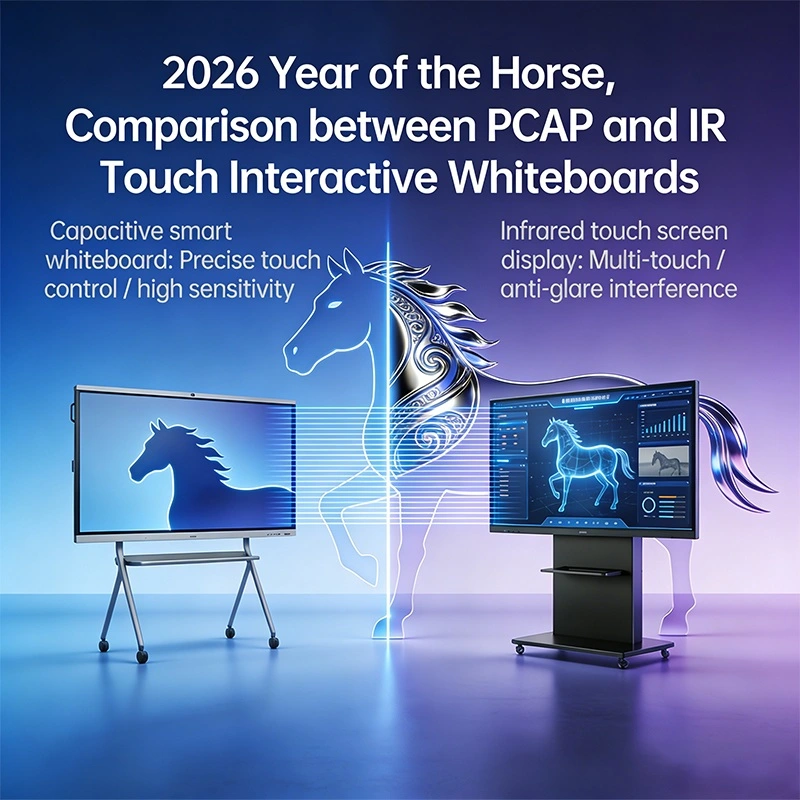
มาตรฐานทองคำเพื่อการศึกษา K-12และห้องฝึกอบรมการใช้งานหนักมีความทนทานที่ดีที่สุด (กระจกนิรภัย) และรองรับเครื่องมืออินพุตใดๆทำให้เป็นโซลูชัน IR Smart BOARD ที่หลากหลายที่สุดไวท์บอร์ดแบบโต้ตอบ IR ขนาด86นิ้วและไวท์บอร์ด IR แบบมัลติทัช40คะแนนเป็นตัวเลือกอันดับต้นๆสำหรับโรงเรียนและองค์กรที่ให้ความสำคัญกับอายุยืนความเก่งกาจและประสิทธิภาพด้านต้นทุน
ผู้ผลิตหลายรายมี IR พื้นฐานแต่ qtenboard ได้ออกแบบเทคโนโลยีใหม่เพื่อขจัดข้อเสียแบบดั้งเดิมและผลักดันขอบเขตของสิ่งที่ไวท์บอร์ดดิจิตอลที่ใช้ IR สามารถทำได้ไวท์บอร์ด IR แบบมัลติทัชของเรา40คะแนนกำหนดมาตรฐานสำหรับการทำงานร่วมกัน
ในขณะที่บอร์ดมาตรฐานมักจะสนับสนุนเพียง10หรือ20คะแนน qtenboard ให้พื้นเมืองหลายสัมผัส IR ไวท์บอร์ด40คะแนนประสบการณ์-ที่สำคัญสำหรับการทำงานร่วมกันในห้องเรียน
เหตุใดจึงมีความสำคัญ: ในห้องเรียนของนักเรียน30คนการเรียนรู้ร่วมกันมักเกี่ยวข้องกับนักเรียน4หรือ5คนที่ทำงานพร้อมกันด้วยการสัมผัส40คะแนนนักเรียนแต่ละคนสามารถใช้มือทั้งสองข้างเพื่อภาพที่หมุนได้ซับซ้อนการเขียนบันทึกและลากวัตถุโดยไม่มีการป้อนข้อมูล "ghosting" หรือความล่าช้า
จุดปวดที่ใหญ่ที่สุดของบอร์ดแสดงผลหน้าจอสัมผัสอินฟราเรดได้รับ "การสัมผัสโดยไม่ตั้งใจ" ในอดีตถ้าปลอกแขนครูหรือฝ่ามือพรีเซนเตอร์ในขณะที่พวกเขาเขียนก็จะทำให้เกิดข้อผิดพลาด
โซลูชันของ qtenboard: บอร์ดของเรามี algorithm.7สัมผัสป้องกันเท็จอัจฉริยะที่เป็นกรรมสิทธิ์ซึ่งจะจดจำพื้นที่ผิวของวัตถุสัมผัสสามารถแยกแยะระหว่าง "จุดเขียน" โดยเจตนา (สไตลัส/นิ้ว) และ "พื้นที่รบกวน" โดยไม่ได้ตั้งใจ (ฝ่ามือ/ข้อมือ) นี้จะช่วยให้ธรรมชาติ, ยันในรูปแบบการเขียนที่เลียนแบบกระดานดำแบบดั้งเดิม-ที่สมบูรณ์แบบสำหรับ86นิ้ว IR ไวท์บอร์ดแบบโต้ตอบในห้องเรียน
อะไรคือความแตกต่างระหว่าง PCAP และ IR Touch?
PCAP (ฉาย capacitive) มีการออกแบบกระจกที่เพรียวบางเหมือนสมาร์ทโฟนที่มีความแม่นยำสูงเหมาะสำหรับหน้าจอขนาดเล็กและจอแสดงผลแบบสัมผัส4K PCAP สำหรับการใช้งานทางธุรกิจการสัมผัส IR (อินฟราเรด) ใช้ลำแสงในกรอบให้ความทนทานที่เหนือกว่าอินพุตสากล (ถุงมือ/สไตลัส) และประสิทธิภาพด้านต้นทุนที่ดีขึ้นสำหรับจอแสดงผลขนาดใหญ่ (65 ") รวมถึงไวท์บอร์ดแบบโต้ตอบ IR ขนาด86นิ้วยอดนิยม
ขณะที่เราเข้าสู่ปี2026อุตสาหกรรมการแสดงผลแบบโต้ตอบได้เห็นการเปลี่ยนแปลงที่สำคัญไปยังเทคโนโลยีการสัมผัสแบบไฮบริดซึ่งรวมความแม่นยำของ PCAP เข้ากับความทนทานของ IR Qtenboard ได้รวมพันธะแสงขั้นสูงลงในแผงแสดงผลหน้าจอสัมผัสอินฟราเรดลดการสะท้อนแสงโดย30%. วิธีการไฮบริดนี้จะรักษาความเข้ากันได้ของอินพุตสากลของ IR ในขณะที่ลดช่องว่างที่แม่นยำด้วย PCAP, ทำให้ไวท์บอร์ด IR แบบมัลติทัชของเรา40จุดและไวท์บอร์ดแบบโต้ตอบ IR ขนาด86นิ้วเป็นตัวเลือกอันดับต้นๆสำหรับปี2026ขึ้นไป
จอแสดงผลไวท์บอร์ดดิจิตอลแบบ IR แบบดั้งเดิมต้องทนทุกข์ทรมานจากช่องว่างภาพเล็กน้อย (Parallax) ระหว่างพื้นผิวกระจกและแผง LCD ซึ่งสามารถทำให้การเขียนรู้สึก "เป็นธรรมชาติ" น้อยลงเมื่อเทียบกับ pcap. เทคโนโลยี ZERO-Bonding ของ qtenboard ช่วยขจัดช่องว่างอากาศนี้โดยการผสมผสานชั้นกระจกนิรภัยโดยตรงกับแผง LCD อย่างถาวรโดยใช้กาวออปติคัลประสิทธิภาพสูงนี้ไม่เพียงแต่เอาภาพชดเชยระหว่างสัมผัสอินพุตและหมึกดิจิตอลแต่ยังช่วยเพิ่มความสว่างการแสดงผลโดย25% และลดการใช้พลังงานแก้ปัญหา IR & #039; ข้อจำกัดด้านภาพประวัติศาสตร์ในขณะที่รักษาข้อดีหลักของความทนทานและอินพุตสากลโดยเฉพาะอย่างยิ่งสำหรับไวท์บอร์ด IR แบบโต้ตอบขนาด86นิ้ว
| ฟีเจอร์ | PCAP Touch (บอร์ดอัจฉริยะแบบ capacitive) | เครื่องมืออินฟราเรด |
|---|---|---|
| กรณีการใช้งานหลัก | ห้องประชุมสำหรับผู้บริหารสตูดิโอออกแบบ (จอแสดงผลแบบสัมผัส4K PCAP สำหรับธุรกิจ) | ห้องเรียนศูนย์ฝึกอบรม (86นิ้ว IR ไวท์บอร์ดแบบโต้ตอบ) |
| สัมผัสจุดต่างๆ | โดยทั่วไป10-20 | ความหนาแน่นสูง20-40คะแนน (Multi-Touch IR whiteboard 40คะแนน) |
| ความเข้ากันได้ของวัตถุ | เป็นสื่อกระแสไฟฟ้าเท่านั้น (ปากกานิ้ว/ปากกาที่ใช้งานอยู่) | อเนกประสงค์ (นิ้วถุงมือสไตลัสฯลฯ) |
| ทนทานและทนทาน | ชั้นนำไฟฟ้าที่ละเอียดอ่อน | การป้องกันขอบกระจกนิรภัยความแข็งแรงสูง (เหมาะสำหรับการใช้งานหนัก) |
| สัมผัสป้องกันการผิดพลาด | การตรวจจับแบบอิเล็กทรอนิกส์ | อัลกอริทึม Ai อัจฉริยะ (การปฏิเสธปาล์ม) |
| ประสิทธิภาพด้านต้นทุน | ต่ำสำหรับขนาดเล็กมากสำหรับขนาดใหญ่ (จอแสดงผลแบบสัมผัส4K PCAP สำหรับธุรกิจ) | เหมาะสำหรับจอแสดงผลขนาดใหญ่65 "-110" (ไวท์บอร์ดแบบโต้ตอบ IR ขนาด86นิ้ว) |
| การรวมเทคโนโลยี2026 | ตาราง capacitive แบบคงที่ (ไม่มีการสนับสนุนไฮบริด) | ไฮบริดสัมผัสพันธะแสงศูนย์พันธะ |
การเลือกกระดานไวท์บอร์ดแบบโต้ตอบของ qtenboard หมายถึงการเลือกระบบที่ออกแบบมาสำหรับ "โลกแห่งความเป็นจริง" ไม่ใช่แค่ห้องปฏิบัติการเท่านั้นไม่ว่าคุณจะต้องการจอแสดงผลแบบสัมผัส4K PCAP สำหรับธุรกิจหรือไวท์บอร์ด IR แบบมัลติทัช40คะแนนเราจะมอบโซลูชันที่เหมาะกับความต้องการของคุณ
Qtenboard สร้างขึ้นบนปรัชญาระบบนิเวศแบบเปิดไม่ว่าองค์กรของคุณจะทำงานบน Windows 11, Android 13หรือ MacOS ไดรเวอร์ IR ของเราจะช่วยให้มั่นใจได้ว่าสามารถใช้งานร่วมกันได้กับปลั๊กแอนด์เพลย์นี้ช่วยให้คุณสามารถใช้ซอฟต์แวร์ที่คุณชื่นชอบ-จาก Microsoft ไวท์บอร์ดเครื่องมือการศึกษาพิเศษ-มีความล่าช้าในการสอบเทียบศูนย์ไม่ว่าคุณจะใช้บอร์ดสมาร์ท capacitive หรือไวท์บอร์ดดิจิตอล IR.
เราได้กล่าวถึง "ช่องว่างฝา" ของ IR แบบดั้งเดิมโดยใช้เทคโนโลยี ZERO-Bonding เรานำแผง LCD และกระจกนิรภัยเข้าสู่การสัมผัสโดยตรงนี้จะช่วยลดผลกระทบ Parallax (ช่องว่างระหว่างที่คุณสัมผัสและที่ "หมึก" ปรากฏขึ้น), มอบความแม่นยำให้กับคุณด้วยความทนทานของ iR-เหมาะสำหรับไวท์บอร์ดแบบโต้ตอบ IR ขนาด86นิ้วและรุ่นขนาดใหญ่อื่นๆ
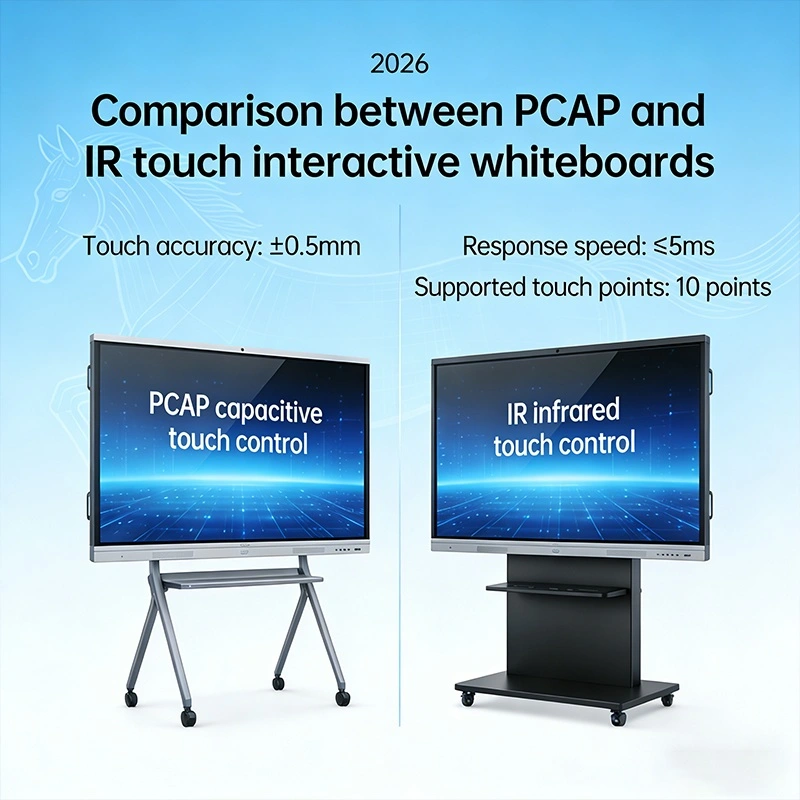
เมื่อเลือกไวท์บอร์ดแบบโต้ตอบครั้งต่อไปของคุณให้พิจารณาสภาพแวดล้อมและความต้องการหลักของคุณไม่ว่าคุณจะจัดลำดับความสำคัญของความแม่นยำที่เพรียวบางของบอร์ดอัจฉริยะแบบ capacitive หรือความเก่งกาจที่ทนทานของการแสดงผลหน้าจอสัมผัสอินฟราเรด:
การอภิปรายระหว่าง PCAP และอินฟราเรดเป็นเรื่องเกี่ยวกับ "ดีกว่า"-เกี่ยวกับความต้องการของคุณสำหรับการทำงานร่วมกันขนาดใหญ่การมีส่วนร่วมของผู้ใช้หลายคนและความน่าเชื่อถือในระยะยาวไวท์บอร์ดดิจิตอลที่ใช้ qtenboardir. สำหรับการตั้งค่าธุรกิจระดับไฮเอนด์จอแสดงผล4K PCAP TOUCH สำหรับธุรกิจของเรามอบความแม่นยำและสุนทรียศาสตร์ที่ทีมผู้บริหารต้องการ
ด้วยการผสมผสานการสัมผัส40จุดเข้ากับเทคโนโลยีสัมผัสป้องกันเท็จอันชาญฉลาดเราจึงไม่ได้สร้างหน้าจอขึ้นมาเพียงเราเท่านั้น VE สร้างผืนผ้าใบสำหรับคนรุ่นใหม่ของความคิดด้วยการสัมผัสแบบไฮบริด2026และความก้าวหน้าเป็นศูนย์พันธะ qtenboard IR รวมถึงไวท์บอร์ดแบบโต้ตอบ IR ขนาด86นิ้วยอดนิยมของเรา-กำหนดมาตรฐานใหม่เพื่อความแม่นยำความทนทานและประสิทธิภาพค่าใช้จ่ายในการแสดงผลแบบโต้ตอบขนาดใหญ่
คลิกเพื่ออ่านรายละเอียดผลิตภัณฑ์และเรียนรู้เกี่ยวกับคุณสมบัติการทำงานและประสิทธิภาพที่แท้จริง
📖อ่านผลิตภัณฑ์
 TH
TH
 EN
EN  MAY
MAY  CHT
CHT  ID
ID  BUR
BUR  FIL
FIL  HKM
HKM  LAO
LAO  SIN
SIN  VIE
VIE